
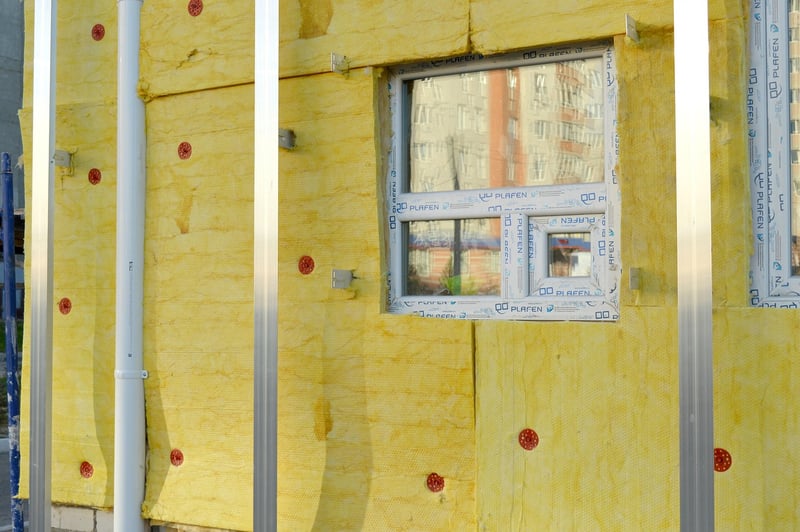
Optimizing Energy Consumption in Interior Design + Insulation Solutions
The Importance of Energy Efficiency in Interior Design
When it comes to designing interior spaces, energy efficiency is a crucial consideration. Not only does it help reduce environmental impact, but it also leads to cost savings for homeowners and businesses alike. Incorporating energy-efficient design elements can make a significant difference in the overall energy consumption of a building.
Insulation Solutions for Energy Efficiency
One of the key aspects of optimizing energy consumption is proper insulation. By effectively insulating a building, you can reduce heat loss in the winter and heat gain in the summer, leading to lower energy bills and increased comfort. Here are some insulation solutions to consider:
1. Wall Insulation
Insulating walls can significantly improve energy efficiency. Materials like fiberglass, cellulose, and foam insulation can be used to reduce heat transfer through walls, keeping the interior temperature stable.
2. Roof Insulation
Roofs are a major source of heat loss in buildings. Proper roof insulation, using materials such as spray foam or rigid foam boards, can help prevent heat from escaping, especially in colder climates.
3. Window Insulation
Windows are another area where heat transfer occurs. Double or triple-pane windows with Low-E coatings can help improve insulation and reduce energy loss through windows.
4. Door Insulation
Just like windows, doors can also contribute to energy loss. Installing weatherstripping or using draft stoppers can help seal gaps and prevent heat exchange.
Conclusion
Optimizing energy consumption in interior design is not only beneficial for the environment but also for your wallet. By incorporating insulation solutions and other energy-efficient design elements, you can create a space that is comfortable, sustainable, and cost-effective in the long run.
For more information on energy-efficient interior design and insulation solutions, visit Energy.gov.